

Protect Our Oceans
A new “Smart Ocean” technology for a loud ocean-wide underwater internet network is underway and this may threaten the safety of marine life.
Photo by Kelsey Williamson
Our Mission
We are a dedicated 501(c)3 committed to keeping our oceans safe and quiet as a natural environment. International committees have developed a new “Smart Ocean” technology for an ocean-wide underwater internet network, consisting of data encoded sound waves running at 160-250 decibels 24/7, which is too much noise for Whales, Dolphins and other marine life to survive.
We have joined the International Electro-Technical Commission and have now received permission to design an alternative animal-friendly / bio-friendly underwater internet network to be used in the ocean instead of a loud acoustic network.
Our Marine Wildlife Deserves a Solution
The solution is a Fiber-Optic (Cable Based) Network
vs.
Acoustic Underwater (+WiFi) Network
The Acoustic Underwater Internet Technology threatens to disrupt life for fish, whales, dolphins, coral reefs and more.
Help us by supporting a fiber-opticsbased network!
Visual Representation of an Acoustic Underwater Internet SMART Ocean Network:
Artist representation of the acoustic network by Isa Maria.
“The smart ocean” plan is an underwater IOT (internet of things) designed to aid communication and internet connectivity, marine life tracking, military surveillance, and pollution detection.
Underwater sensor stations transmit data via sound waves to buoys, then convert it to WiFi signals for transfer to cell towers and satellites.
The network is already in the final approval process, soon to be manufactured and rolled out.

Acoustic Underwater Internet Networks Sound like this:
You may think this sounds too unlikely to be real, but it is real.
How can we make it safer for ocean life? By immediately converting the plan from a loud acoustic (sonar) network to a quiet, fiber-optic (cable) network.
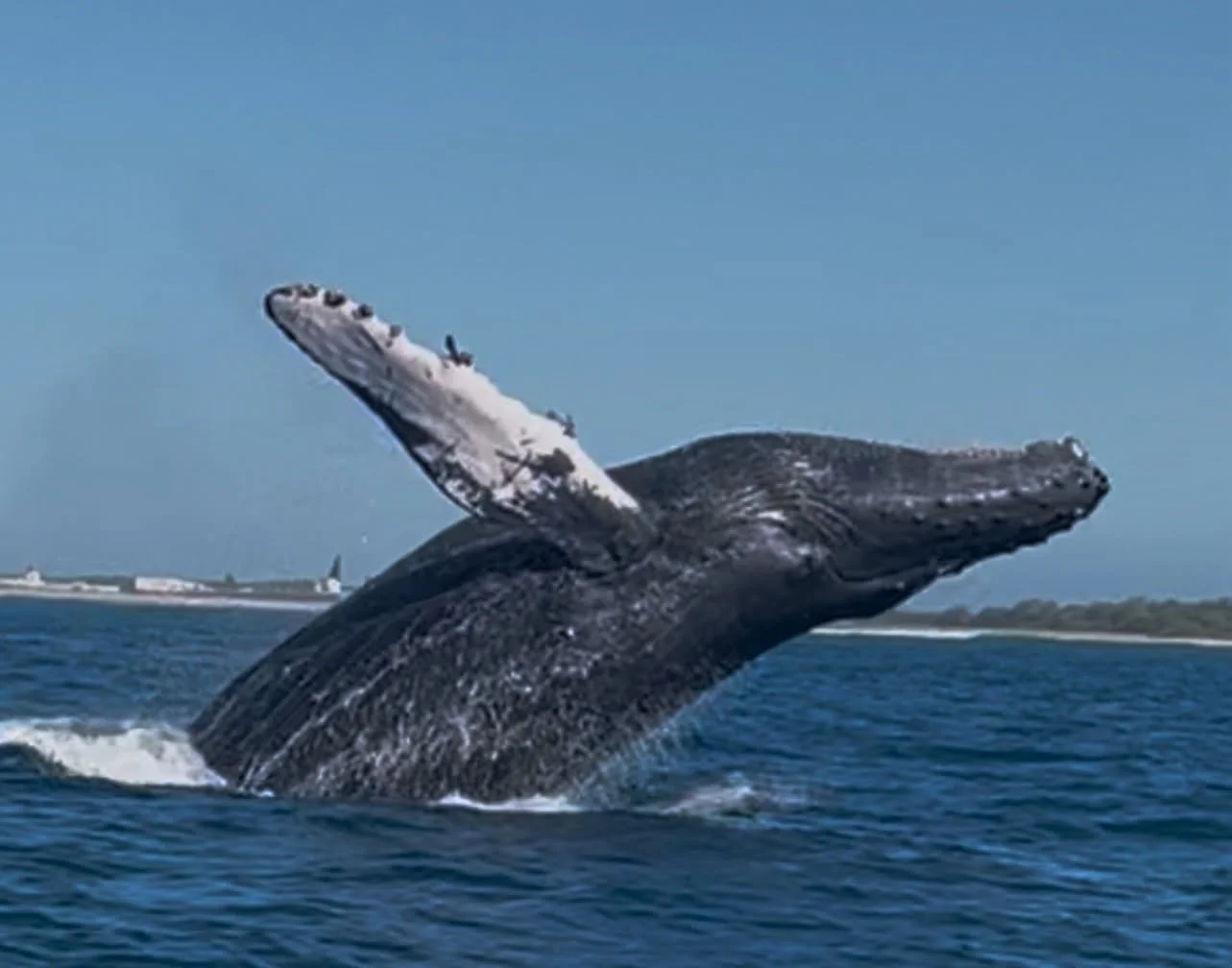
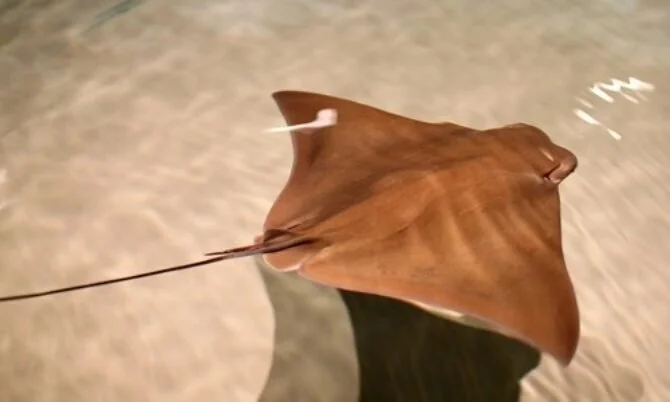
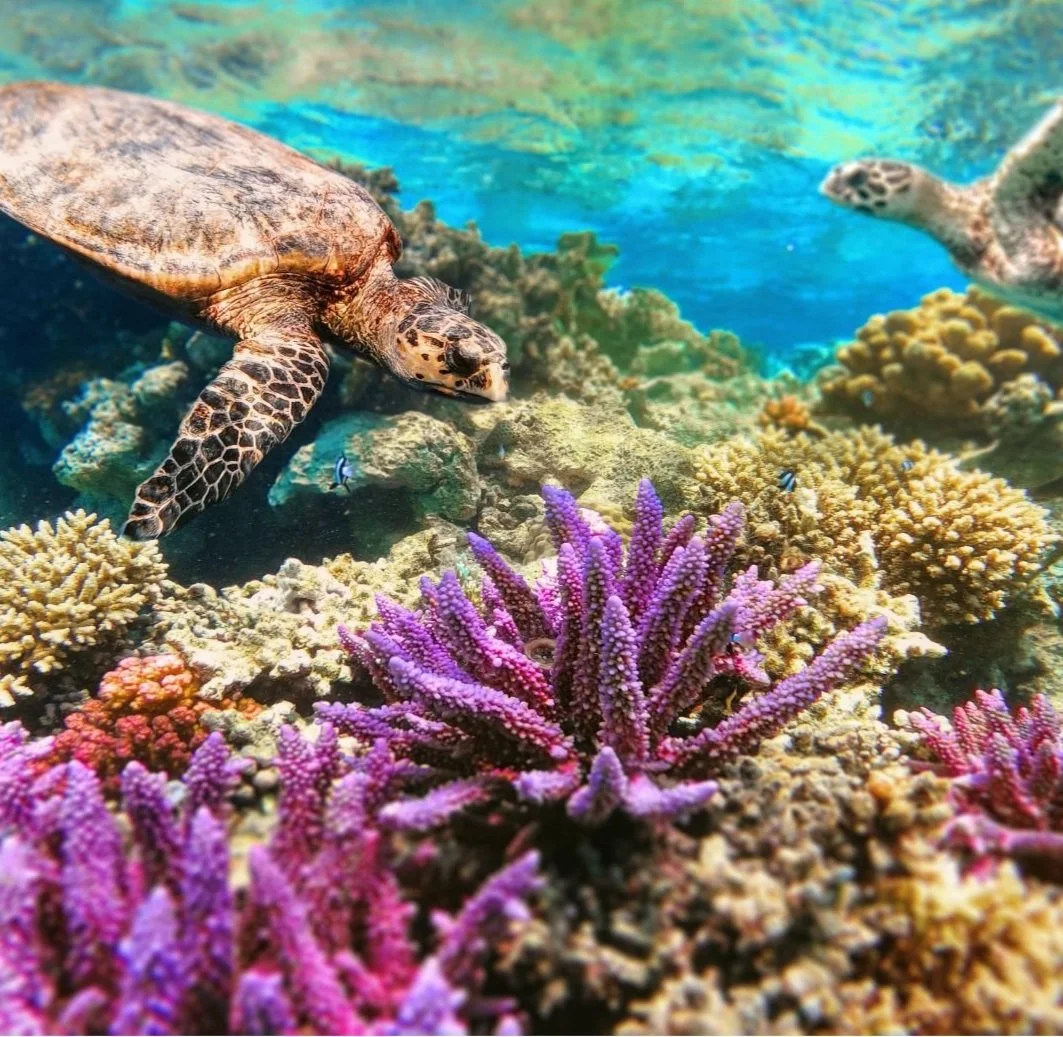
Animals impacted by underwater acoustic signals
-
![]()
Whales
-
![]()
Dolphins
-
![]()
Fish
-
![]()
CowNose Ray
-
![]()
Crustaceans
-
![]()
Coral Reefs
-
![]()
Humans!





Fiber Optics are a Marine Life & Animal-Friendly Solution
Quiet
Replaces the need for loud data encoded sound waves that disrupt ocean life.
Clear & Reliable
Fiber optic signal is not blocked by passing ships or other obstacles.
Safe
Significantly reduces risk to wildlife and humans.
Meet Our Team
-

Kathy Matara, PhD
Environmental Safety Advocate and Founder and Director of Safe Technologies and the Quiet Ocean Standards Initiative
-

Timothy Schoechle, PhD
Computer Engineering and Policy Scientist
-

Patrick J.O. Miller, BSFS, BS, PhD
Marine Biology Professor at St. Andrews University, Scotland
-

Victorine Lambert
Marine Biology Graduate Student, Canada

How We Are Helping
WE ARE LEADING THE CHARGE
We are educating all 195 countries worldwide on ISO planning committees helping to set bio-friendly “smart ocean” technology standards:
International Internet of Things (IoT)
Underwater Internet of Things (UIoT)
International Standards Organization (ISO)
International Electro-Technical Commission (IEC).
American National Standards Institute (ANSI)
We have established a new joint working group on these committees:
Our working group has developed the Environmental and Ecological Risk Assessment and Technical Report for the International Standards Committee, who will vote on the technical standards to be adopted for the underwater network. SafeSmartOcean’s founder and director Kathy Matara, PhD, has been chosen as Convener of the new working group.
Away from acoustic technology and towards solutions that prove safe for ocean life, and that is Fiber Optics.

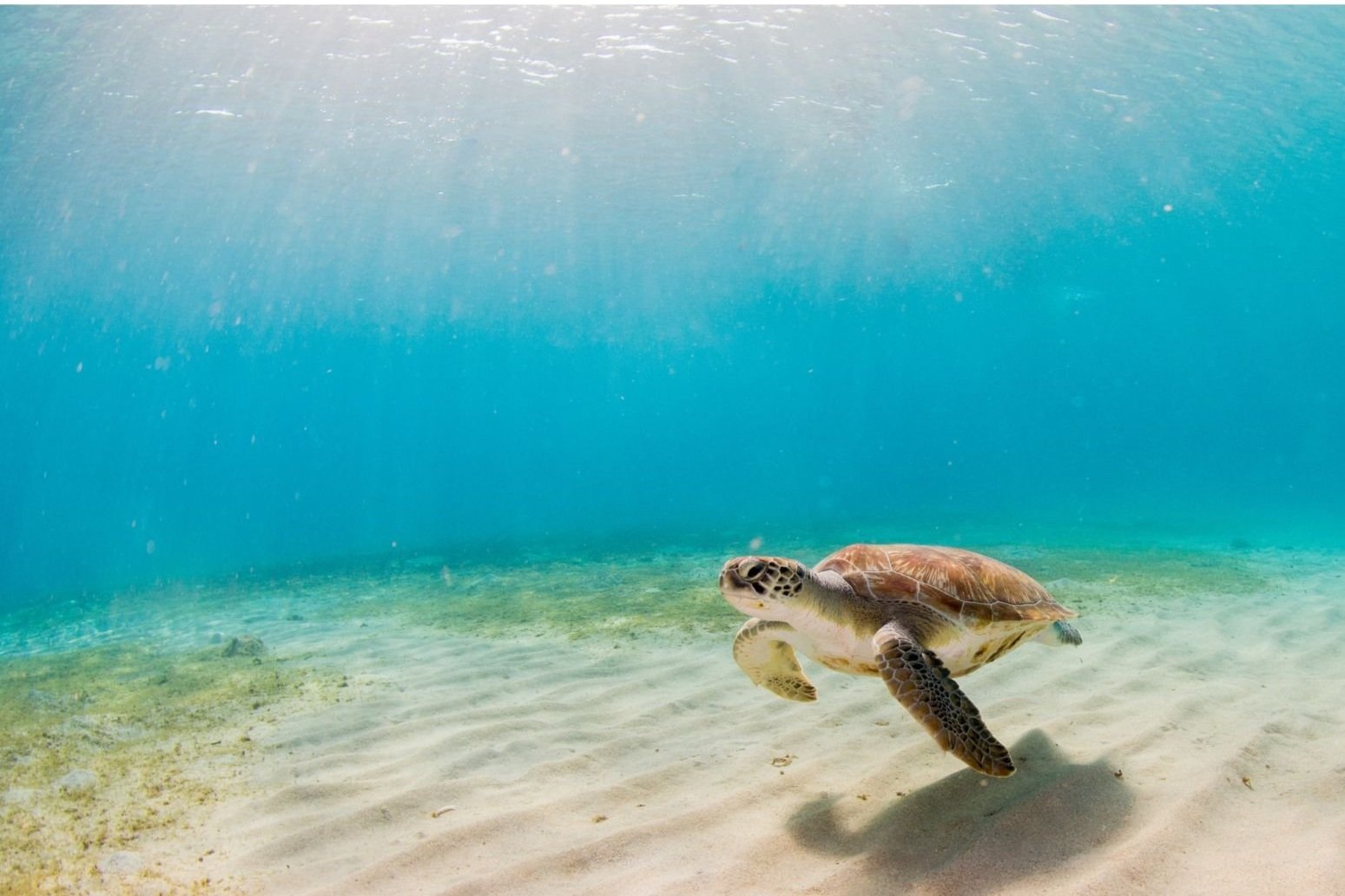
Photo by Kelsey Williamson
Get Involved
Your donation enables the Quiet Ocean Standards Initiative team to collect the crucial environmental impact research and write the technical report that will guide the standards committees to choose network specifications that function in harmony with the marine habitat and do not fill the world's oceans with constant, loud, shrill noise. Please share our cause with anyone you know who could make a contribution or join our movement!
We Must Act Now
The underwater network must be converted from the planned acoustic (sonar) wireless system to a quiet (fiber-optic) cable network or other safe and quiet multi-modal network options, before the only underwater network system is approved and finalized.